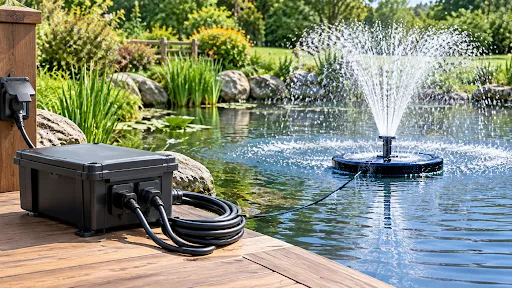
Outdoor fountains may look low‑maintenance, but hidden inside every water feature is a pump that can easily be damaged by leaves, silt, and everyday debris. A pond pump debris protection bag is a simple yet highly effective accessory designed to shield the pump and keep water circulating smoothly. Instead of letting organic matter and dirt reach the intake, the bag captures larger particles before they cause clogs or strain the motor. For homeowners, property managers, and landscape professionals, understanding this small component can make a big difference to fountain health, costs, and aesthetics.
In this guide, we’ll look at what a fountain debris protection bag really does, how it works with different types of pumps, and why using one can save you time, money, and a lot of maintenance trouble later on.
Fountain Debris Protection Bag OverviewA fountain debris protection bag helps keep pond and fountain pumps free from leaves, algae, twigs, and other debris that can restrict water flow and damage equipment. By protecting the intake, impeller, seals, and nozzles, it supports reliable fountain performance and reduces maintenance needs. It is especially useful in ponds with heavy tree cover, algae growth, or active aquatic wildlife. Regular cleaning and inspection help maintain effective filtration and extend pump life. |
What is a Fountain Debris Protection Bag?
A fountain debris protection bag is a net bag that fits over your fountain pump. It acts like a protective filter for the pump, so that water can flow through easily, while leaving the dirt and other trash outside. This keeps the pump from clogging or getting damaged, so that it lasts longer and needs less cleaning. Most bags are tied or stretched with a drawstring, and you can wash them and reuse them. It’s one of the smaller accessories in your fountain setup, but it works alongside essentials like the pond mooring rope to keep the whole system running smoothly.
If you’re new to floating fountains altogether, our complete guide to floating pond fountains covers everything from setup to sizing.
How Do Debris Bags Protect Pond Fountain Pumps and Equipment?
Protects the Motor and Impeller
Pond pumps use a fast-spinning part called an impeller to push water out. Things like leaves or twigs can jam it or wrap around it, forcing the motor to work harder and heat up quickly. A pond pump debris protection bag blocks this material before it reaches the impeller, keeping the motor running normally.
Helps Prevent Pump Cavitation
Cavitation happens when water can’t flow into the pump smoothly, causing tiny air bubbles to form and pop inside. Over time, this can wear down pump parts. Heavy debris around the intake can block flow and add to this risk. A debris bag helps keep water flowing steadily.

The effects of poor circulation aren’t limited to the pump alone; they can ripple through the entire pond. This case study on how inactive aeration led to a fish die-off shows just how serious the consequences can be.
Protects Nozzles and Other Water Features
Small particles can slip past the pump and flow through the tubes to the nozzle. Since nozzles have narrow openings, even minor debris can clog them and disrupt the spray. A debris bag catches these particles early, keeping the nozzle clear and ensuring steady, even water flow.
Protects Seals and Power Cord From Damage
A pond pump protection bag keeps sharp debris, like rocks and twigs, away from the pump. Pond pumps have rubber seals that keep water out of the motor, and sharp debris can wear these seals down over time. By blocking this debris, the bag helps protect the seals, power cord, and other important pump parts.
When and Why You Should Use a Debris Protection Bag
Ponds With Heavy Tree Cover
Ponds near trees deal with more debris, especially during fall when leaves drop and spring when seeds or buds fall. Wind can blow leaves and small sticks into the water and toward the pump. If you don’t use a debris bag, you’ll have to clean the pump intake nearly every day to keep it running.
High Algae or Organic Buildup Conditions
When it’s warm and the water has lots of nutrients, algae grow fast and break into tiny pieces that float toward your pump. Algae builds up quickest in areas where the water doesn’t move much. Without protection, this stuff can pile up around your pump fast. A debris bag stops it before it gets there.
New Pump Installations
Installing a debris protection bag from the start helps protect your pump before problems start. It’s easier to secure the bag during setup, and early protection can mean less maintenance later. If you’re planning a new fountain, check out our floating fountains for ponds for complete and reliable systems.
Water With Active Aquatic Wildlife
Ponds with fish, snails, or other animals create more mess than just leaves and algae. You’ll find snail shells, plant pieces, and fish waste floating around. A debris bag catches all this stuff before it gets to your pump, so the water stays cleaner where the pump sits.
Maintenance and Cleaning of Fountain Debris Protection Bags
Check and Clean on a Regular Schedule
Check the debris bag every one to two weeks in busy seasons like fall. In slower months, checking every three to four weeks is enough. Waiting too long lets trapped debris block water flow before you notice, which strains the pump.
Rinse With Clean Water, Not Pond Water
Rinse the pond pump protection bag with a hose or clean tap water, not pond water. Pond water has algae and sediment that can stick back onto the mesh. Clean running water washes the debris out fully and keeps the mesh clear.
Check for Rips or Weak Spots
Check the mesh for small holes, thin spots, or loose threads while you clean it. These weak spots usually show up after debris has been sitting in the bag for a while or from handling it during removal. If the bag is torn, debris can slip through, so it’s best to replace it early to keep the pump protected.
Clean and Dry Before Winter Storage
Before you put the fountain away for winter, clean the debris bag well and let it dry completely. If you store it while it’s still damp, it can grow mold. Drying it fully also helps the mesh last longer, so it’s ready to use again next season.
Conclusion
At Friendly Fountains, we build every fountain package to last, and that starts with the small details, like a debris protection bag included as standard with every pump, floating base, and mooring rope. No guesswork, no extra parts to buy. Just a complete, ready-to-run system backed by our 2-year warranty, built to keep your pond looking its best for years to come.
Your pond deserves the upgrade. Shop our floating pond fountains from us and get a complete, ready-to-run system today!
FAQ’s
Can I use a debris protection bag with any pond pump?
Most debris bags fit standard pump intakes, but sizes can vary. Before buying one, check the bag’s size against your pump’s intake to make sure it fits properly.
Can I run my fountain without a debris protection bag?
Yes, but the pump is exposed to leaves, algae, and debris. This raises the risk of clogs, motor strain, and faster wear on your pump over time.
Do debris bags work with lighted or multi-nozzle fountain setups?
Yes, the bag protects the pump no matter what’s attached to it. It works the same whether your fountain has lights, extra nozzles, or other accessories added on.
Does a debris bag reduce my fountain’s water flow or spray height?
A bag with fine mesh can slightly limit flow if debris builds up unevenly across the surface. Rinsing it every one to two weeks keeps openings clear and spray height steady.
Can a debris protection bag be used in saltwater or brackish ponds?
Most debris bags are made for freshwater ponds. Saltwater or brackish water can wear out the mesh faster, so check if the bag works for your type of water first.