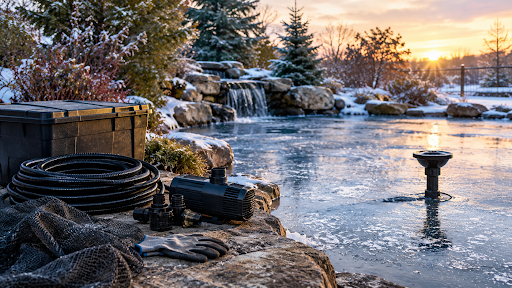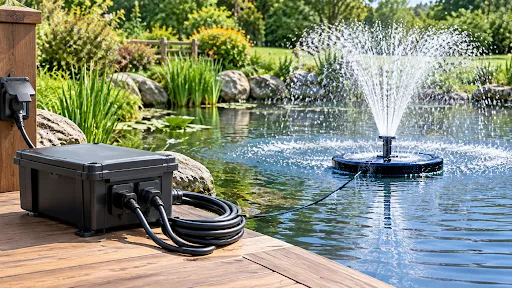
A quiet pond may look absolutely healthy from a distance. It may have calm water, minimum disturbance, and healthy fish swimming in it. However, in such a calm pond, things can shift very quickly. There may not be a clear indication of this. One such change in a pond is pond turnover. It is a natural occurrence that can change the entire pond ecosystem within a few hours. It may seem rare, but pond turnover is often linked to factors that can be managed. This makes awareness and proper preparation very important to help prevent sudden and avoidable losses.
In this blog, we walk through a real-life pond turnover incident using a detailed case study. We will break down what happened and highlight the role of aeration. The goal is to share simple, practical insights that can help pond owners avoid similar situations in the future.
Key Insights From a Pond Turnover Case StudyPond turnover occurs when water layers mix suddenly, reducing oxygen and releasing harmful gases. This case study shows how inactive aeration led to fish deaths, especially among larger fish. It highlights the importance of regular aeration, monitoring, and waste control to maintain stable conditions and prevent sudden ecological imbalance in ponds. |
What Is Pond Turnover?
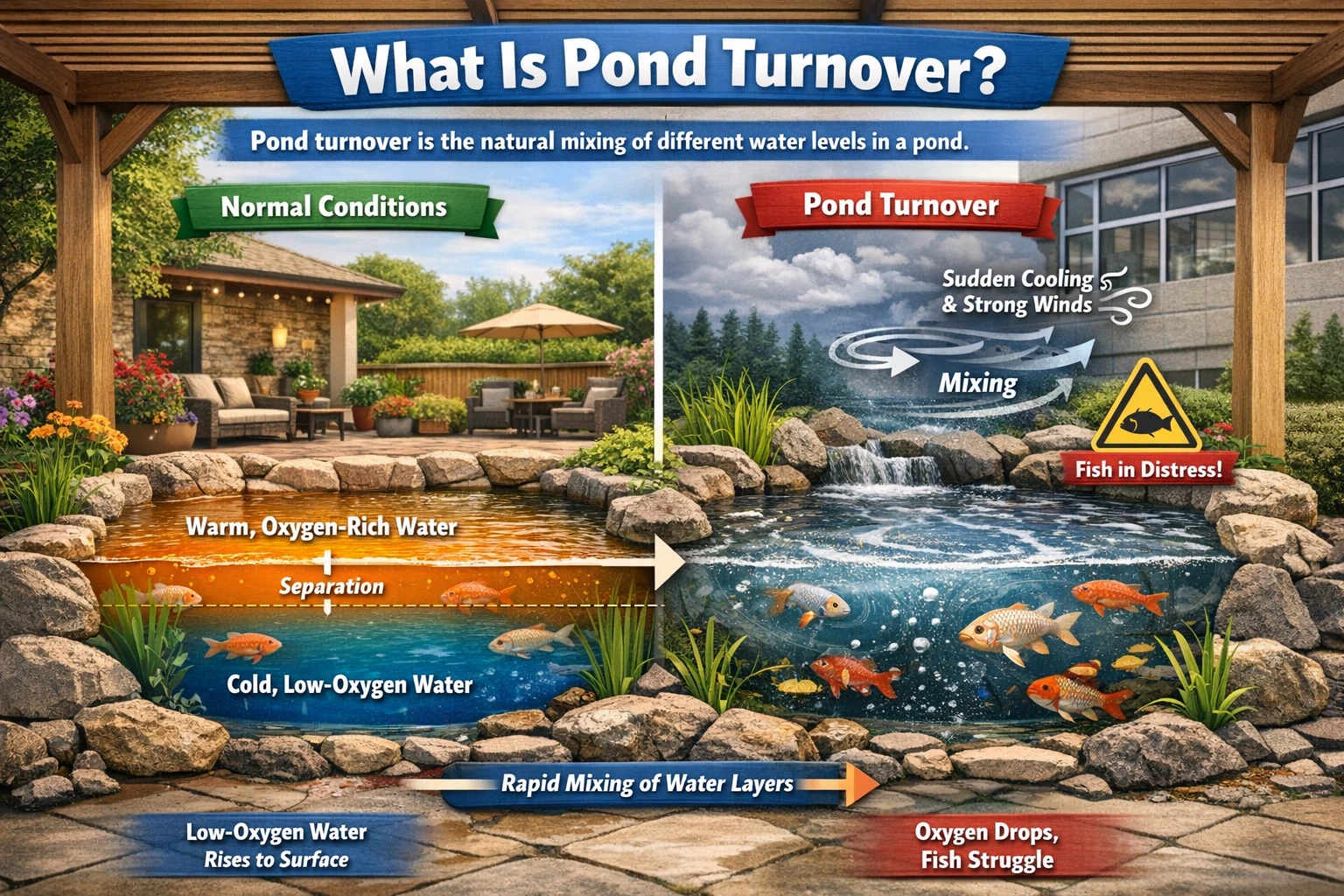
Pond turnover is the natural mixing of different water levels in a pond.
In most ponds, water forms distinct zones.
- The upper zone is warmer and contains more oxygen,
- The lower one is colder and has very little oxygen.
These zones usually remain separate.
When there is a sudden change in weather, strong winds, or a drop in temperature, these layers can mix. During this process, low-oxygen water from the bottom rises to the surface, reducing the overall oxygen level in the pond.
As a result, fish and other aquatic life may struggle to survive due to the lack of oxygen. Pond turnover can happen quickly, making it a serious risk if oxygen levels drop too low.
How Oxygen Loss Leads to Fish Suffocation?
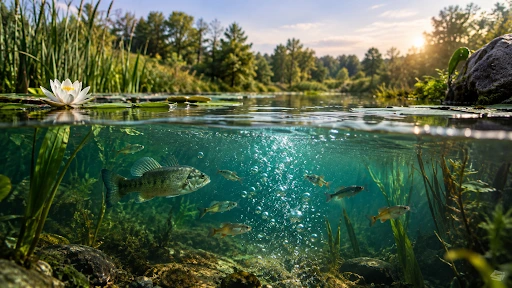
Oxygen depletion means that a fish is unable to perform basic bodily functions. The primary function of a fish’s gills is to obtain a steady supply of oxygen to keep their bodily functions running.
As oxygen declines:
- Fish are stressed out and lose energy
- Swimming slows down and acts differently than usual.
- digestion and circulation begin to fail
In extreme cases, a fish is unable to support itself. It is impossible for a fish to adapt to such a situation since oxygen is in short supply.
This is why losing oxygen doesn’t just make them uncomfortable; it can kill on a biological level, causing asphyxia if not fixed in time.
Our Case Study Overview
This is a case study of a real-life pond management problem that occurred as a result of the sudden and dramatic deaths of fish. The pond is part of a maintained system and has an existing aerating system installed.
The occurrence of this problem was sudden and over a very short time. The effects were evident on the fish population, especially the larger ones. The situation was documented at the site, providing clear visual evidence and immediate observations.
The intent of this case study includes analyzing the cause, identifying contributing factors, and determining the effect of the overall management of the system concerning this incident.
What Likely Happened in This Pond?
The pond was probably thermally stratified at the time of the accident. This means that the water was split into layers with different temperatures and conditions. The top layer stayed mostly the same, but the bottom layer had been slowly filling up with biological waste, uneaten food, and matter that was breaking down.
The biological oxygen demand (BOD) goes up because of this buildup at the bottom. In simple words, microorganisms use up oxygen as they break down this stuff, leaving a zone near the bottom that is low on oxygen over time.
The pond probably mixed because of a quick outside event, like heavy rain, a drop in temperature, or a change in the wind. The bad bottom water and fumes like ammonia and hydrogen sulfide that had built up spread throughout the pond when this happened.
The overall chemistry of the water changes quickly because of this:
- The levels of dissolved oxygen were significantly lowered in the water.
- The bad gases, which were trapped at the bottom, were released.
- The water clarity and stability were disrupted almost instantaneously.
The pond’s environment became unsteady very quickly because of this change, which had an effect on the whole system instead of just one area.
Why Large Fish Were Affected First?
In this case, most of the fish found dead were larger in size. This pattern directly relates to how oxygen stress impacts fish of different sizes.
Limited Access to Micro-Habitats
Unlike smaller fish, the larger fish cannot access the shallow edges, plants, or inflow areas, where the levels of oxygen might be higher.
Slower Recovery from Sudden Stress
In cases of sudden changes, the bodies of the larger fish cannot recover as fast as the smaller fish because their bodies require more oxygen and energy to function. This makes it difficult for the larger fish to survive when the levels of oxygen drop suddenly.
Accumulated Lifetime Stress
Over time, larger fish experience repeated environmental stress. This reduces their resilience, so they struggle more during sudden disturbances compared to younger, smaller fish.
Greater Exposure to Released Toxins
As bottom water mixes, harmful gases spread throughout the pond. Larger fish intake more water through their gills, increasing their exposure to these toxins quickly.
The Role of Aeration in Prevention
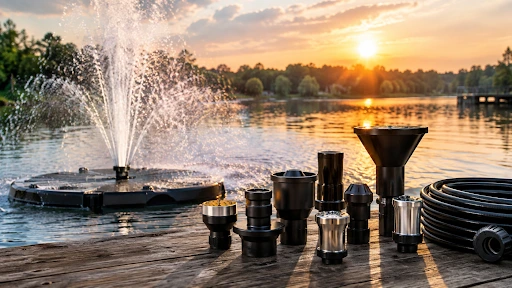
Fountains and bottom diffusers are examples of effective aeration systems that maintain a continual motion of the water. When the ventilation systems are running:
- All levels of water have an equal distribution of oxygen.
- There is less chance of abrupt mixing since water layers do not separate.
- Instead of piling up at the base, harmful gases are expelled gradually.
In addition to improving pond conditions, aeration encourages the growth of beneficial bacteria that aid in waste breakdown.
Above all else, regular aeration serves as a protective measure. The pond maintains its equilibrium regardless of environmental influences, such as changes in the weather, which significantly lessens the likelihood of an abrupt and destructive disaster.
Lessons From This Incident
- Don’t just have aeration, but also make sure it’s working, especially during bad weather.
- Develop the habit of checking your pond every day, even if everything seems perfect.
- Be extra careful during rainy weather or when the temperature goes down, as these are the times when trouble begins.
- If you have big fish, remember they are more susceptible, thus you need to have a stronger oxygen system.
- You should never ignore signs of fish slowing down or staying at the surface.
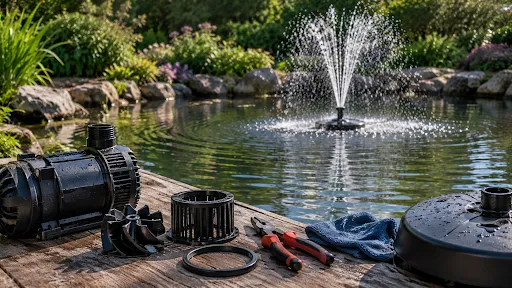
- You should maintain your equipment well, as you need it when you actually need it, not when you’re already having trouble.
How to Help Prevent Pond Turnover Fish Kills?
Maintain Proper Aeration.
Fish need dissolved oxygen in water to exist, and levels below 3 ppm (parts per million) can induce stress and even fish death, according to Clemson Cooperative Extension. This is why proper aeration via fountains, diffusers, or other devices is critical.
Avoid Excessive Organic Build-Up
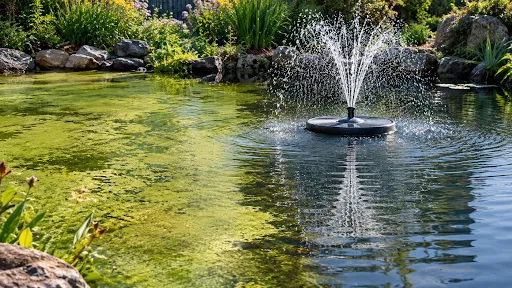
Leaves, fish excrement, uneaten food, and algae gradually sink and decay on the bottom, depleting oxygen. Remove debris on a regular basis, and prevent overfeeding the fish. Also, employ safe algae control methods, and avoid chemical treatments that destroy huge numbers at once.
Control Pond Depth and Size
According to Clemson Cooperative Extension, ponds deeper than 6–10 feet are more likely to stratify and experience turnover. If possible, design or manage ponds with gradual depth changes.
Stock Fish Wisely
Overcrowding increases the oxygen consumption rate. Keep the fish population in balance so that the oxygen supply is adequate for all the fish in the water.
Conclusion
Prevention is always better than reaction. As can be seen in this case study, pond turnover is not just a natural process, but it can become a major problem in no time unless a pond is well managed. In addition to that, even when a pond is well equipped, such as when a pond aeration system is in place, it will not do any good unless it is utilized.
FAQs
How often should you check the water quality in a pond?
You should examine ponds at least once a day and test them once a week for things like oxygen, temperature, and clarity.
What Time Of Day Is Most Important For The Oxygen Levels In A Pond?
The early morning is the most important time because oxygen levels are normally at their lowest before the sun comes up, and it helps bring them back to normal.
Can artificial light or shade change the conditions in a pond?
Both can change the temperature and the growth of algae. This can affect the amount of oxygen in the water and the overall stability of the pond.
Do Different Types of Fish React Differently to Changes in Water?
Yes, some species can handle low oxygen or bad water conditions better than others.
Should aeration run all the time or only at certain times?
Most of the time, continuous aeration is best, but the timing can change depending on the size of the pond, the load, and the weather.