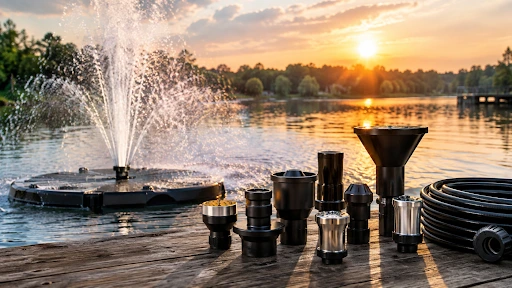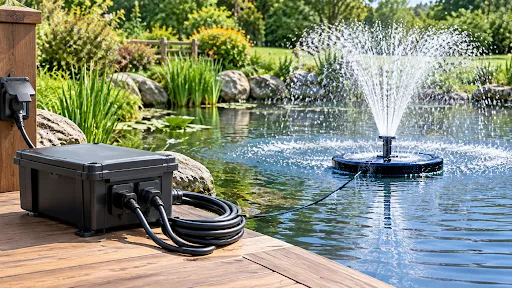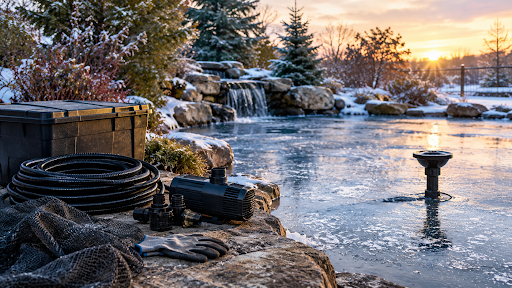
Winter can put considerable stress on a pond fountain, particularly when freezing temperatures cause water trapped inside pumps, tubing, and fountain components to expand. Proper winterization therefore becomes an important part of seasonal pond maintenance, helping reduce the risk of cracked equipment, damaged plumbing, and difficult spring start-ups. However, the right approach can vary depending on the fountain design, pond depth, local climate, and whether the equipment is rated for freezing conditions.
So if you come across the question: How to winterize a fountain? This guide ensures you the crucial. With the right steps taken before the first hard freeze, you can safeguard your equipment, avoid costly spring repairs, and ensure your fountain runs smoothly when warmer weather returns. Here’s exactly what you need to do.
Pond Fountain Winterization OverviewPreparing a pond fountain before freezing temperatures involves shutting down and disconnecting equipment, cleaning and draining water pathways, storing pumps correctly, protecting detachable components, elevating portable fountains, and using a breathable water fountain cover when necessary. Inspecting seals, cords, and other parts helps identify damage early. Climate, fountain materials, and manufacturer recommendations should guide decisions, helping reduce freeze-related damage and support reliable spring operation. |
Why Pond Fountains Need to Be Winterized Before Freezing Weather
Winterizing a pond fountain is essential as freezing temperatures can affect several parts of the system, from the pump and motor to tubing and water passages. The main reasons include:
- Ice Expansion and Cracking: Water expands roughly 9% when it freezes. When it gets trapped inside tubing, pump housings, fittings, or basins, this expansion creates pressure that can crack plastic, split PVC connections, or warp metal components.
- Pump and Motor Destruction: Freezing can block intake screens and discharge lines, forcing pumps to work harder. This strains motor windings, bearings, seals, and impellers, while pumps frozen inside solid ice can suffer casing or component damage.
- Debris and Clogging Risks: Leaves, seed pods, sediment, and algae can settle around intake screens and tubing before freezing. Ice can lock this debris into dense blockages, restricting flow, increasing equipment strain, and worsening pond water quality.
- Preventing Overheating: Pumps depend on continuous water flow across their motor housing for cooling. But ice or debris restrictions reduce this circulation, causing overheating that accelerates wear on seals, bearings, and windings.
These issues are also applicable to other fountain types like floating pond fountains. So if you are searching for taking care of your pond fountains or floating pond fountains, from seasonal changes to their correct installation process, you can explore a complete guide to floating fountains.
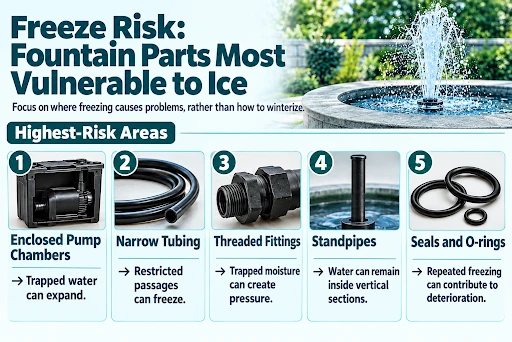
Which Fountain Parts Are Most Vulnerable to Freeze Damage?
Before looking into winter protection measures, it is important to understand where freezing creates the greatest risk. As water trapped inside enclosed or narrow fountain components can expand as it freezes, identifying these vulnerable areas helps you understand why certain components require close attention during freezing weather.
| Preparing for winter may reveal worn components. Find reliable fountain parts and accessories from Friendly Fountains to keep your system ready for seasonal operation. |
Step-by-Step Process to Winterize a Pond Fountain
1. Turn Off and Disconnect the Fountain
Before winter arrives, switch off the fountain’s power supply at the breaker or outlet, then unplug the unit completely. This applies whether you own a submersible unit or floating pond fountains; both need power disconnected to prevent electrical hazards, protect wiring from cold damage, and stop the pump from running dry once water levels drop.
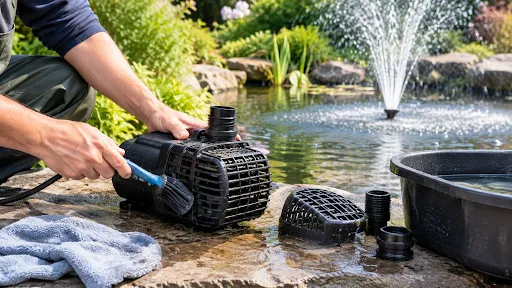
2. Remove and Clean the Pump
Carefully lift the pump out of the pond and rinse away algae, debris, and mineral buildup using a soft brush and clean water. Inspect the impeller for cracks or wear, ensuring it’s fully functional before storage begins.
3. Drain the Fountain Plumbing
Empty all water from hoses, tubing, and fountain plumbing lines completely. Any leftover water can freeze, expand, and crack pipes or fittings during freezing temperatures, causing costly damage and leaks that surface only after spring thaw begins.
4. Store the Pump Correctly
Place the cleaned pump in a bucket of water or wrap it in a damp cloth to keep seals from drying out. Store indoors in a frost-free area like a garage, basement, or utility closet.
5. Protect the Fountain Components
Remove decorative elements, statuary, or lighting fixtures vulnerable to freeze-thaw cracking. Also, wrap fragile ceramic or stone pieces in burlap or moving blankets, and store electrical components separately in a dry, temperature-stable location indoors.
6. Raise the Fountain Off the Ground
Raise the fountain basin to a particular height by using bricks, blocks, or a stand to prevent direct ground contact. This stops moisture wicking, reduces frost-heave damage, and improves air circulation underneath during freezing winter conditions.
7. Cover the Fountain
Use a breathable water fountain cover designed for outdoor fixtures to shield the fountain from snow, ice, and debris. Secure it tightly with bungee cords or straps to prevent wind from exposing components underneath.
8. Check the System Before Storage
Do a final inspection for cracks, loose fittings, or residual moisture before closing everything up. Confirm all parts are dry, disconnected, and properly stored to avoid problems when reassembling the fountain next spring.
Conclusion
Winterizing your pond fountain doesn’t have to be a guessing game. At Friendly Fountains, we make cold-weather prep simple by offering durable fountain components, pond-safe accessories, and expert guidance tailored to your setup. From selecting the right equipment to providing practical product guidance, our team supports you in protecting your investment and planning reliable year-round fountain operation.
| Need professional winterization support for your pond fountain? No worries, let us help your fountain stay protected all winter long, ready to shine again the moment spring arrives. |
Frequently Asked Questions About Winterizing a Pond Fountain
What tools or supplies do I need before I start winterizing my fountain?
Gather a soft brush, mild cleaner, bucket, weatherproof cover, and blocks for elevation before beginning the process.
Can I insulate my fountain instead of completely removing the pump?
Insulation alone rarely protects pumps fully; combining insulation with pump removal offers significantly better protection against freeze damage.
Which fountain materials are most vulnerable to cracking in freezing temperatures?
Concrete, ceramic, and resin fountains crack easily when trapped moisture freezes; metal and freeze-resistant materials handle winter better.
How often should I check on my fountain throughout the winter season?
Inspect covered or stored fountains monthly, watching for shifted covers, moisture buildup, or unexpected pest activity.
Should pond fountain lights be removed before freezing temperatures arrive?
If lights are detachable, removing and storing them can help protect fixtures, wiring, and transformers from ice-related damage.