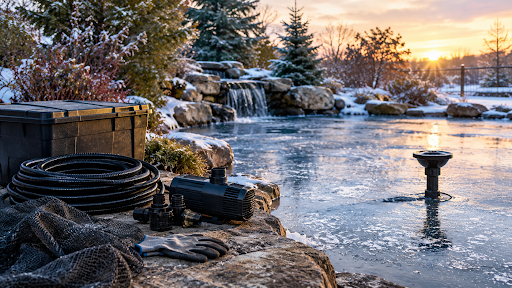
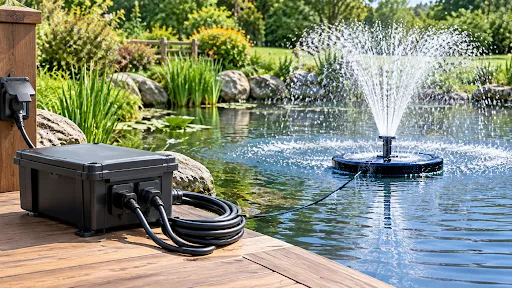
A pond naturally has a fresh, earthy smell that reflects a healthy and balanced aquatic ecosystem. As leaves, fish waste, algae, and other organic matter accumulate, they can upset the pond’s natural balance, especially when water circulation and oxygen levels begin to decline. Over time, these conditions create the ideal environment for odor-causing bacteria to thrive, affecting both water quality and aquatic life. Therefore, understanding what’s behind the bad smells in water is the first step toward solving the problem. In this guide, we’ll explain what causes a pond to smell bad and share practical ways to restore cleaner, healthier water.
What Causes Foul Odors in Ponds?
Low Dissolved Oxygen Levels
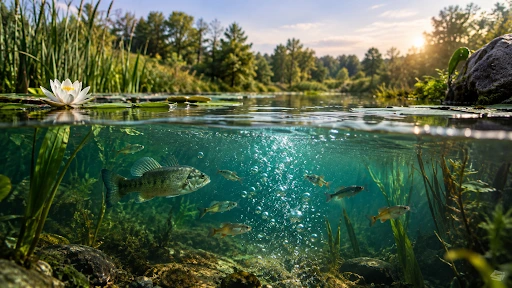
When oxygen levels in ponds decline, aerobic (oxygen-dependent) bacteria become less effective at breaking down organic matter. Anaerobic bacteria then dominate, releasing foul-smelling gases such as hydrogen sulfide, methane, and ammonia as they decompose accumulated waste. This oxygen depletion, often caused by excessive organic matter, warm temperatures, or poor circulation, is the leading cause of unpleasant pond odors.
Thermal Stratification and Seasonal Pond Turnover
In deeper ponds, warm surface water naturally separates from the cooler, denser water below during summer, which limits oxygen exchange with the bottom layer. As organic material decomposes, odor-causing gases gradually accumulate in these deeper waters. When temperatures cool in autumn, the water layers mix in a process known as pond turnover, releasing trapped gases to the surface and often causing a sudden increase in unpleasant odors.
Poorly Maintained Filtration Equipment
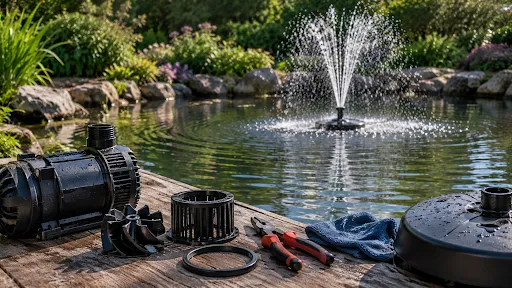
A pond’s filtration system is designed to remove debris and help keep the water clean, but it can only do so when it is properly maintained. Over time, leaves, algae, fish waste, and other organic particles can clog mechanical filters, reducing their ability to trap debris before it settles in the pond. At the same time, biological filter media can become less effective if it is neglected or overloaded, making it harder for beneficial bacteria to process fish waste and other dissolved pollutants. As a result, organic matter accumulates, leading to murky water, increased sludge, and unpleasant odors.
Accumulation of Dissolved Organic Carbon (DOC)
Not all odor-causing substances are visible. As organic material naturally decomposes, it releases dissolved organic carbon (DOC), a mixture of microscopic organic molecules that remain suspended in the water. These increased DOC levels can give pond water a musty or earthy smell, and reduces water clarity, and increase the biological demand placed on the pond’s filtration system.
Excess Nutrients and Algae Blooms
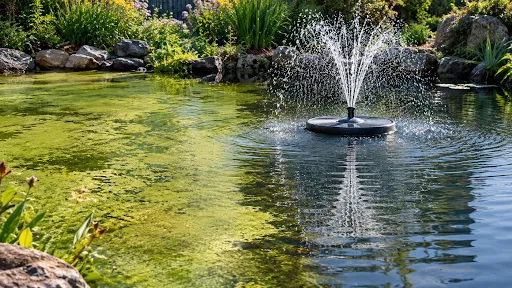
According to the U.S. Environmental Protection Agency (EPA), excess nitrogen and phosphorus are the primary nutrients responsible for harmful algal blooms in freshwater ecosystems. In ponds, these nutrients commonly originate from fish waste, overfeeding, fertilizer runoff, decaying plants, and rainwater runoff. As algae blooms die and decompose, they contribute to unpleasant odors and turn the water green. If your pond has also turned green, read our guide on what causes green pond water and how to clear it.
Effective Methods to Eliminate Pond Odor
Use Activated Carbon to Remove Dissolved Odor Compounds
Activated carbon is widely used in pond filtration as it adsorbs dissolved organic compounds (DOCs), tannins, and other substances responsible for unpleasant smells. Unlike mechanical filters that capture solid debris, activated carbon targets invisible impurities dissolved in the water. Replacing the carbon media regularly ensures it continues to remove compounds before they accumulate to noticeable levels.
Install Bottom Diffused Aeration
Unlike fountains that primarily oxygenate the surface, bottom diffused aeration systems release fine air bubbles from the pond floor. This creates vertical water circulation that continuously mixes the entire water column, helping prevent the accumulation of odor-causing compounds near the bottom. However, bottom aeration is particularly effective in deeper ponds where stagnant lower layers are more likely to develop. If your pond has experienced prolonged periods of poor circulation, this pond turnover case study showing how inactive aeration led to a sudden fish die-off highlights why maintaining proper aeration is essential.
Add a Pond Skimmer to Remove Floating Debris Early
Leaves, grass clippings, pollen, and other floating debris begin decomposing as soon as they enter the pond. A pond skimmer captures this material before it becomes waterlogged and sinks to the bottom, where it would contribute to sludge formation and anaerobic decomposition. Skimmers are especially useful for ponds located beneath trees or in landscaped gardens with frequent organic debris.
Flush Pond Filters Regularly to Prevent Organic Build-Up
Mechanical filters trap solid waste, but if they are not cleaned regularly, the trapped debris begins decomposing inside the filter itself. This can create foul smells that circulate back into the pond. Therefore, cleaning filter pads, baskets, and chambers according to the manufacturer’s recommendations helps maintain water quality and prevents filters from becoming a source of odors rather than a solution.
Increase Water Turnover with a Properly Sized Circulation Pump
Poor water movement allows organic waste and nutrients to accumulate in isolated areas where oxygen levels decline. A circulation pump keeps water moving continuously, distributing oxygen and preventing stagnant pockets from developing. So, choosing a pump that turns over the entire pond volume at least once every one to two hours can significantly reduce conditions that allow odor-causing bacteria to thrive. For larger water bodies, pairing the pump with floating fountains for large ponds can further improve circulation while enhancing the pond’s appearance.
| Improve your pond’s performance with professionally designed floating fountains that enhance water movement and support healthier aquatic environments for ponds of all sizes. |
Preventing Future Odor Build-Up in Pond Water
Eliminating a bad smell is only part of maintaining a healthy pond; the real goal is preventing it from returning. Since pond odors typically develop gradually as organic material, nutrients, and waste accumulate over time, a proactive maintenance routine is far more effective than relying on occasional corrective treatments. Therefore, by adopting consistent pond care practices, homeowners can reduce the likelihood of bad smells from water, improve overall water clarity, and promote a healthier environment for fish, aquatic plants, and other beneficial organisms. The following practices can help keep your pond fresh and healthy throughout the year:

Conclusion
A bad-smelling pond often indicates that its circulation or water management system needs attention. Thus, addressing the underlying issue with the right equipment helps restore water quality and reduce recurring odors. At Friendly Fountains, we provide high-performance floating pond fountains, pond aeration systems, and tailored pond management solutions designed to improve circulation, support a balanced aquatic environment, and keep ponds cleaner and healthier.
| Say Goodbye to Pond Odors. Improve your pond’s water quality with routine cleaning and targeted maintenance services. |
FAQs About Bad Pond Smells, Their Causes, and Effective Fixes
Can too many fish make my pond smell bad?
If the pond cannot process increased fish waste, uneaten food, and nutrient levels, unpleasant odors can develop.
Should I replace my pond filter if odors keep returning?
Not always; first inspect, clean, and assess whether the existing filter is correctly sized for your pond’s requirements.
Can a waterfall prevent a pond from developing bad smells?
A waterfall improves surface circulation, but larger or deeper ponds may require additional aeration or circulation to maintain consistent water quality.
Can untreated well water contribute to pond odors?
Yes, depending on its mineral content or naturally occurring compounds, untreated well water can influence water quality and pond odor.
Can fish feeding schedules affect pond odors?
Yes, feeding fish only what they can consume quickly helps reduce excess organic waste entering the pond.